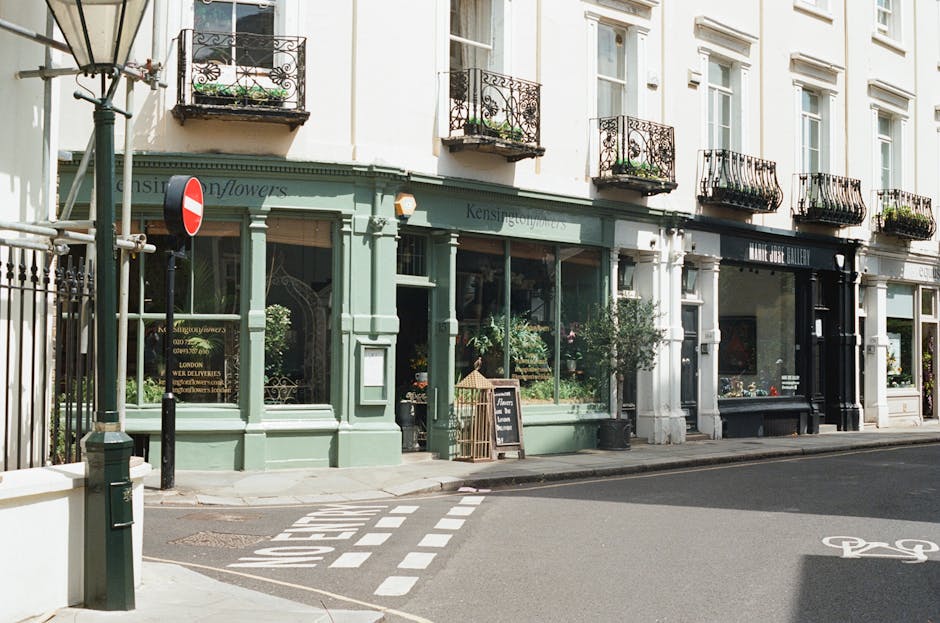
Sloane Square shopfront garden care for businesses Knightsbridge

If you run a business near Sloane Square, the front of your premises does a lot of talking before anyone steps inside. A tidy planter, healthy seasonal bedding, and a well-kept frontage can make a cafe feel inviting, a boutique feel polished, and a professional office feel properly cared for. That is the real value of Sloane Square shopfront garden care for businesses Knightsbridge: not just making things look nice, but creating a frontage that supports your brand every single day.
Truth be told, shopfront greenery is easy to underestimate until it starts slipping. One windy week, a few tired plants, a patch of dead mulch, and suddenly the entrance looks neglected. In an area where people notice details fast, that can matter more than most owners expect. This guide breaks down what good shopfront garden care involves, how it works, what to avoid, and how to make sensible decisions for a business-facing space in Knightsbridge.
Along the way, you will also find practical tips for maintenance, seasonal planning, compliance-minded care, and the kind of routine that keeps a frontage looking calm rather than constantly firefighting. Let's get into it.
- Why it matters
- How it works
- Key benefits and practical advantages
- Who this is for and when it makes sense
- Step-by-step guidance
- Expert tips for better results
- Common mistakes to avoid
- Tools, resources and recommendations
- Law, compliance, standards and best practice
- Options, methods and comparison table
- Case study or real-world example
- Practical checklist
- Conclusion
- Frequently asked questions
Why Sloane Square shopfront garden care for businesses Knightsbridge Matters
Shopfront garden care is the regular upkeep of any planted or landscaped area right outside a business premises. That might include window boxes, entrance planters, framed borders, small ornamental trees, clipped hedging, seasonal bedding, decorative pots, or even a narrow strip of greenery between the pavement and the door. For businesses near Sloane Square, it is less about having a "garden" in the classic sense and more about maintaining a public-facing first impression.
Why does that matter so much here? Because the frontage is part of the customer experience. People form opinions in seconds. A crisp entrance tells them someone is paying attention. A scruffy one can suggest the opposite, even if the service inside is excellent. Harsh, perhaps, but that is how real-world perception works.
There is also a practical side. Frontage planting can soften hard facades, reduce visual clutter, and create a more welcoming transition from street to interior. In a busy London setting, where pavements, traffic, delivery schedules, and footfall all compete for attention, the frontage often needs to work harder than it would elsewhere. It is doing brand work and maintenance work at the same time.
Businesses in Knightsbridge and around Sloane Square also tend to face specific pressures: exposure to wind, reflected heat from building materials, irregular watering when staff are busy, and plants getting knocked or compacted by foot traffic. If you have ever seen a lovely arrangement looking tired by Thursday afternoon, you will know exactly what that means. It happens fast.
Good care reduces those problems before they become visible. More than that, it helps create consistency. Consistency is quietly powerful. A frontage that looks cared for on Monday, Wednesday, and Saturday gives the impression of reliability, and people notice that whether they say so or not.
For businesses that want a broader service framework, it can help to look at the wider services overview and see how frontage work fits into the overall maintenance picture. Some premises only need light upkeep, while others benefit from a more structured routine alongside garden maintenance.
How Sloane Square shopfront garden care for businesses Knightsbridge Works
In practice, shopfront garden care follows a fairly simple rhythm: inspect, maintain, refresh, and prevent. The detail sits underneath that rhythm. A good provider or in-house team will look at plant health, watering needs, presentation, safety, access, and seasonal change. That sounds neat on paper. In real life it is a bit more hands-on.
Start with assessment. What is planted? How much direct sun does the frontage get? Is the area sheltered or exposed? Are the planters fixed or moveable? Is there a drainage problem? Are roots crowding the container? Does soil dry out too quickly? These are not dramatic questions, but they make a massive difference to whether the display stays healthy or ends up looking stressed by midday.
Then comes routine care. That usually means watering to suit the season, deadheading flowers, removing damaged leaves, trimming soft growth, feeding where needed, and checking for pests or disease. For structural planting, it may also involve shaping and restraint so the area remains neat rather than unruly. A small hedge, for example, can make a frontage look elegant when maintained well, or awkward and patchy when left too long. Little things, really. But they add up.
Refresh work matters too. Seasonal changes are often where many shopfront displays lose momentum. Summer bedding that looked great in June can feel exhausted by late August. Winter displays need a different mindset altogether: structure, colour from stems or foliage, and plants that tolerate colder spells. If your frontage is tied to brand standards, this is where planning pays off.
Finally, there is prevention. That includes avoiding overwatering, selecting plants that suit the microclimate, using the right compost or soil mix, and protecting the frontage from avoidable wear. If there is any hard landscaping around the display, think about how it will age. A smart layout can reduce spillage, soil splash, and trip hazards while keeping the area easy to maintain. Where hard surfaces or raised features are part of the frontage, some businesses also coordinate with landscaping or even decking services for a more complete presentation.
Key Benefits and Practical Advantages
Well-managed shopfront planting does more than "look good". That is the obvious bit, and not the whole story. Here are the advantages that tend to matter most to business owners and managers.
- Stronger first impressions: A neat frontage suggests organisation and care, which can influence whether people stop, enter, or enquire.
- Better brand alignment: Modern, restrained planting can suit a luxury retailer; soft seasonal colour may suit hospitality; clean evergreen structure works well for professional services.
- More usable frontage space: A maintained display can frame an entrance without getting in the way of footfall or deliveries.
- Reduced emergency tidying: Regular care avoids the last-minute scramble before a client visit, launch, or busy weekend.
- Healthier plants, lower replacement costs: Prevention is usually cheaper than replacing everything every few weeks.
- Better resilience through the seasons: Thoughtful planting reduces the "lush one month, sad the next" cycle.
- Support for wider property care: A frontage often works best as part of a broader maintenance routine rather than a stand-alone decorative feature.
One practical advantage is often overlooked: maintenance becomes easier when the design is sensible from the start. A frontage that uses plants suited to light levels, available space, and watering access is much easier to keep presentable. That sounds obvious, but people still get it wrong. We see it all the time-beautiful on installation day, frustrating six weeks later.
If the space is especially visible or high-value, a business may also benefit from connecting frontage care with other services such as lawn mowing for any adjoining green space, or hedge trimming where clipped planting frames the entrance. Consistency across all visible edges is the real win.
Who This Is For and When It Makes Sense
This kind of care is not only for hotels or flagship retail units, though they are obvious candidates. It is useful for any business with a public-facing entrance where presentation matters and plantings are part of the customer journey.
- Boutiques and high-end retail premises
- Cafes, restaurants, and hospitality venues
- Offices that want a polished, welcoming entrance
- Showrooms and appointment-led businesses
- Medical, wellness, and professional practices
- Mixed-use properties with shared external planters
- Businesses that need regular upkeep but do not have in-house gardening cover
It makes the most sense when the frontage is visible from the street, customers wait near the entrance, or the business wants to reinforce a particular image. If you are in a part of Knightsbridge where people pass by on foot and glance into windows, the exterior really does work like a silent front-of-house team.
It also makes sense when your internal staff are already stretched. A receptionist, manager, or site lead can water a few pots now and then, sure. But once the plants are part of the brand, they need more than "when someone remembers." A bit of honesty there saves a lot of disappointment later.
For businesses whose frontage is changing, being redesigned, or fitted out, it may be worth considering broader landscape gardening support as part of the planning stage. That helps avoid creating something attractive but awkward to maintain.
Step-by-Step Guidance
If you are setting up or improving shopfront garden care, the best way to think about it is as a repeatable process, not a one-off tidy-up.
- Review the frontage as a customer would. Stand across the street, then from the pavement, then at the door. What do you notice first? What looks tired, cluttered, or out of balance?
- Check the site conditions. Note sunlight, shade, wind exposure, drainage, footfall, and how easy it is to reach each container or bed for watering and pruning.
- Decide the maintenance level. Some businesses need weekly care; others may only need scheduled visits for watering, deadheading, and seasonal changes.
- Choose the right planting style. Evergreen structure, seasonal displays, mixed containers, or restrained architectural planting all create different effects.
- Build in easy access. If a display is difficult to reach, it tends to be neglected. That is just human nature, not a moral failing.
- Set a calendar. Include watering frequency, pruning windows, replacement dates, and any tidy-up visits before events or promotions.
- Monitor and adjust. If plants are wilting, leaning, or growing too quickly, adapt the plan rather than forcing the same routine all year.
A useful rule: design for the worst day, not the best. A display that looks fine in perfect weather but collapses during a warm spell or a windy afternoon is not really successful. You want something dependable, not just photogenic. There is a difference.
When the frontage includes cluttered borders, tired planting, or debris from a seasonal changeover, a light garden clearance can help reset the space before fresh work begins. That is often the point where a messy area becomes manageable again.
Expert Tips for Better Results
Good frontage care is often about restraint and consistency. Here are the habits that tend to deliver the best results over time.
- Use fewer plant types, chosen well. A small palette often looks more premium than a crowded mix of species.
- Keep colour tied to the brand. If your business uses muted interiors and clean lines, a wild planting scheme may feel off-brand.
- Make watering simple. Complex watering setups fail when people are busy. Simple systems get used.
- Leave room for growth. Plants need breathing space or they start competing and looking ragged.
- Prune for shape, not just size. A neat outline tends to photograph better and age better through the week.
- Refresh the visible edges. Sometimes the key difference is just clean pots, neat soil top-up, and no dead leaves on the pavement.
- Plan around trading patterns. If you have peak footfall on Friday or Saturday, do the tidy-up before then.
One small but useful habit is to keep a short visual standard for the frontage. Nothing fancy. Just a few things that must always be true: no dead blooms, no overflowing planters, no cracked pots, no weeds, and no spill onto the walkway. Simple stuff, yes. Yet it stops most problems before they grow teeth.
For businesses that want stable, ongoing support, structured garden maintenance is often more efficient than reacting to each issue separately. It keeps the work predictable, which helps budgeting as well.
Common Mistakes to Avoid
Some mistakes are purely cosmetic. Others create ongoing headaches. Here are the most common ones.
- Choosing plants for looks alone. A plant can look beautiful in the nursery and still be totally wrong for a windy, shaded, or very dry frontage.
- Underestimating watering needs. Containers dry out faster than people expect, especially in summer or near reflective walls.
- Ignoring seasonal change. A display that is not updated can begin to feel tired even if the plants are technically alive.
- Letting debris build up. Fallen leaves, spent flowers, and soil spill make an otherwise tidy frontage look neglected.
- Forgetting access and safety. If a planter blocks pedestrian movement or creates an awkward obstacle, the display is not doing its job.
- Overplanting small spaces. Too much in too little room looks crowded very quickly.
- Skipping regular checks. Pests, mildew, breakage, and drainage problems tend to appear when nobody is looking.
The biggest mistake is probably treating the frontage as a decoration rather than a living system. It is alive, shifting, and affected by weather, foot traffic, and routine. Once you accept that, the maintenance plan becomes a lot more realistic.
And yes, sometimes the issue is just "we meant to deal with it next week." Next week becomes next month. Plants, annoyingly, do not wait politely.
Tools, Resources and Recommendations
You do not need a complicated toolkit for reliable shopfront care, but the right basics matter. The useful equipment depends on the exact planting scheme, though these are common starting points.
- Hand pruners for small cuts and deadheading
- Lightweight watering cans or discreet hose access where suitable
- Gloves and a small hand fork for container planting
- Topsoil, compost, or mulch to maintain moisture and appearance
- Clean replacement pots or liners for damaged displays
- Simple plant labels or an internal planting record for recurring schemes
It can also help to work from a recurring maintenance log. Nothing dramatic. Just a dated record of watering, trimming, feed cycles, and replacements. That way, if something starts failing repeatedly, you can see whether it is the plant choice, the positioning, or the care schedule.
For a business that wants a neat, self-explanatory service pathway, it may be useful to review the provider's pricing and quotes approach before committing. Clear expectations help avoid awkward conversations later. Nobody enjoys those.
Where sustainability matters, ask how waste, old plants, and green material are handled. A responsible approach should align with recycling and sustainability principles, especially if maintenance involves regular replacements or cuttings.
Law, Compliance, Standards and Best Practice
For business frontage care in a London setting, the main compliance issues are usually practical rather than dramatic. Still, they matter. The key concerns are keeping access clear, avoiding trip hazards, handling tools safely, and making sure any work near the public realm is managed carefully.
If planters, hedges, or decorative items sit close to the pavement, they should not obstruct pedestrians, wheelchair users, or delivery access. It sounds obvious, but busy entrances sometimes drift into "we'll move that later" territory. Later is not ideal if someone stumbles or has to step into the carriageway.
Good practice also means using staff or contractors who understand safe working around the public, who can manage waste properly, and who keep equipment under control. If work includes pruning at height, heavier lifting, or any tree-related task, safety becomes even more relevant. In those cases, a service like tree lopping and removal may be part of the solution, but it should only be used where genuinely necessary and handled properly.
Businesses should also pay attention to their own internal policies. If you are using contractors, it is reasonable to check matters like insurance, access arrangements, and site conduct. That is not being fussy; it is just good business. You may also want to review insurance and safety information and the provider's health and safety policy so expectations are clear before anyone starts work.
For service providers, transparency around conduct and business terms matters too. Documents such as terms and conditions, payment and security, and the complaints procedure support a more trustworthy working relationship. Not glamorous, perhaps, but very useful.
If access is a concern for customers or visitors, it can also be worth checking the provider's approach to an accessibility statement. A well-managed frontage should be welcoming, not just pretty.
Options, Methods and Comparison Table
There is no single best way to manage shopfront planting. The right method depends on budget, maintenance capacity, and the image you want to project. Here is a practical comparison.
| Approach | Best for | Strengths | Watch-outs |
|---|---|---|---|
| Seasonal container displays | Retail, hospitality, and front doors with limited space | Flexible, visually strong, easy to refresh | Needs regular watering and replacements |
| Evergreen structural planting | Professional, premium, or minimalist branding | Consistent year-round appearance | Can look flat without subtle seasonal updates |
| Mixed planting with seasonal rotation | Businesses wanting variety and interest | Balanced appearance across the year | Requires better planning and coordination |
| Low-maintenance architectural scheme | Sites with limited staff time | Lower upkeep, cleaner lines | Less colour and softness if overdone |
In many cases, the most practical choice is a mixed approach: structure at the base, seasonal interest where it matters, and a care routine that keeps everything from drifting. It does not have to be complicated to work well. In fact, simpler is often better.
Case Study or Real-World Example
Imagine a small business near Sloane Square with a narrow shopfront, a pair of entrance planters, and a window display that catches plenty of passing attention. At first, the owners choose bright seasonal planting because it photographs beautifully. For the first month, it looks great. Then the weather shifts, a busy week means watering slips, and one planter begins to sag while another gets a bit leggy.
Nothing catastrophic. Just enough to make the front feel untidy.
They switch to a more balanced approach: hardier plants for structure, a repeat schedule for watering and deadheading, and simple weekly checks before the weekend rush. A light trim keeps the edges neat, while tired planting is replaced before it becomes a distraction. The result is not more dramatic, just more dependable. Customers still notice it, but in the best way: quietly, without fuss.
That is usually the goal with shopfront care. Not spectacle. Reliability. A frontage that looks considered on a Tuesday morning in February and still holds together on a breezy Friday in June. That sort of steadiness is what makes businesses feel established.
Practical Checklist
Use this checklist to review your current frontage or brief a gardening provider.
- Is the frontage visible, tidy, and aligned with the brand?
- Are the plants suited to the light, wind, and exposure conditions?
- Is watering easy, realistic, and scheduled properly?
- Are containers secure, clean, and free from damage?
- Do walkways remain clear for customers and passers-by?
- Are dead flowers, debris, and weeds removed regularly?
- Is there a seasonal refresh plan?
- Do staff know who is responsible for day-to-day checks?
- Have safety, access, and insurance points been reviewed?
- Is waste handled responsibly and in line with sustainable practice?
One-line version? Keep it neat, keep it safe, keep it alive.
Conclusion
Sloane Square shopfront garden care for businesses Knightsbridge is ultimately about bringing together presentation, practicality, and consistency. A good frontage does not need to shout. It just needs to feel composed, clean, and cared for in a way that supports the business behind it.
The best results usually come from sensible plant choices, realistic maintenance, and a clear understanding of how the space is used day to day. If you get those three things right, the rest becomes easier. And the whole place feels better for it, too. Customers notice. Staff notice. Even people passing by with a coffee in hand notice, though they may never say a word.
If you are ready to improve a business frontage, start with a simple review of what is already there, what is failing, and what needs a more dependable routine. Then build from there, calmly. No rush, no drama.
Get a free quote today and see how much you can save.
Sometimes the smallest front-of-house improvements make the biggest difference. And that is worth taking seriously.
Frequently Asked Questions
What does shopfront garden care actually include?
It usually includes watering, pruning, deadheading, seasonal planting changes, weed removal, light tidying, and checking that the frontage still looks presentable and safe. For some businesses, it also includes container maintenance and occasional design refreshes.
Is this only for shops, or can offices use it too?
Offices can absolutely use it. Any business with a public-facing entrance can benefit from neat planting, especially where first impressions matter and the front area is part of the client experience.
How often should a business frontage be maintained?
That depends on exposure, plant choice, and footfall. Some frontages need weekly attention, while others can work with less frequent visits. Container planting generally needs more regular checks than ground planting.
What are the easiest plants to maintain near a busy street?
Hardier plants with a tolerance for wind, occasional dryness, and regular trimming are usually safer choices than delicate varieties. The best option depends on light, shade, and the size of the frontage, so one-size-fits-all advice rarely works.
Can frontage planting help a business look more premium?
Yes. A clean, well-judged display can make a premises feel more polished, especially when it matches the building style and brand tone. The trick is restraint. Too much variety can look busy rather than premium.
What if my team does not have time to water or tidy the plants?
That is a common reason businesses outsource the work. If staff are already busy, it is better to put a dependable maintenance routine in place than to rely on whoever remembers first. That approach usually ends in uneven results.
Do I need a full landscaping project for a shopfront?
Not necessarily. Many businesses only need routine care and a tidy container scheme. A larger landscaping approach makes sense if the frontage needs redesigning, more structure, or a better long-term layout.
How do I keep shopfront plants healthy through winter?
Use hardy planting, avoid waterlogging, check for frost damage, and keep the display tidy so it does not collect rot or debris. Winter care is often about structure, drainage, and not overcomplicating the planting palette.
What are the most common signs that a frontage needs attention?
Wilting, dead leaves, algae on pots, weeds, uneven growth, soil spill, and a general "slipped a bit" look are all signs it is time for maintenance. Usually, you can spot the problem from across the street before it becomes obvious at the door.
How do I choose between containers and planted borders?
Containers suit tighter spaces and are easier to refresh, while borders can feel more integrated and stable if the site allows them. The decision usually comes down to access, maintenance capacity, and the visual effect you want.
Is safety really a concern for small frontage displays?
Yes, because even a small planter can create a trip hazard or obstruct access if it is badly placed. Safety, access, and visibility should be part of the design from the start, not a last-minute fix.
How can I make the frontage easier to maintain long term?
Choose plants that suit the conditions, avoid overcrowding, keep watering simple, and set a repeat schedule for checks and tidying. A frontage that is easy to maintain will usually look better for longer, which is the whole point really.
Where can I learn more about the wider service approach?
You can start by looking at the provider's services overview and related pages such as garden maintenance, hedge trimming, and lawn mowing to see how frontage care fits into the larger picture.